

GPS Clock System
Coordinate facility clock displays using a GPS reference received at your site. HC Electronics supports GPS clock system projects that bring satellite receiving equipment, compatible time-distribution connections and clock displays into one installation.
Plan the receiving location and the route to your indoor clocks together. Whether you are introducing GPS into an existing installation or equipping a new building, the proposal should connect the reference source to every area that needs synchronized time.
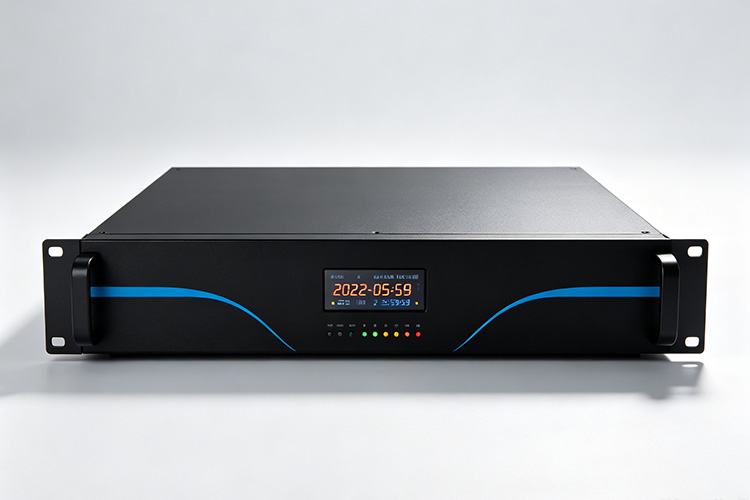
Central GPS Reception, Distributed Clock Displays
A GPS clock system can receive satellite time centrally and distribute it to compatible clocks through local infrastructure. For example, a GPS-referenced server can provide network time to receiving devices without each device containing a satellite receiver.
The satellite receiving point and the clock display positions serve different purposes. Reception equipment needs suitable signal conditions; displays need to be placed where people can read them.
A centralized arrangement separates those requirements. Establish the GPS reference at an approved receiving location, then select the connections that carry its time to the intended clock groups.
The configuration should identify where satellite reception ends and local time distribution begins. This prevents the project from assuming that every indoor display needs its own antenna—or that receiving GPS automatically provides a connection to the clocks.
Establish an Approved Receiving Location
GPS signals can be obstructed or reflected by buildings and surrounding structures. Indoor and underground reception can also be problematic, making the proposed antenna location an important site decision.
Identify a receiving position before finalizing the equipment-room layout. Include photographs of the surrounding area, access restrictions and any planned building work that could affect the position later.
Review the route from the antenna to the receiving equipment at the same time. Cable length and construction affect signal loss, so an antenna location should not be approved independently of the connection needed to reach it.
Have the site team establish permission for the mounting location, building entry and future maintenance access. Include responsibility for weather sealing and any required electrical protection in the installation scope. These provisions should be reviewed by the appropriate qualified contractor.
Connect the GPS Reference to Each Clock Group
GPS identifies the source of time, but the installation still needs a compatible method of delivering that time to the displays. The local distribution can be assessed around network connections, dedicated clock wiring or supported wireless equipment.
For each area, identify the reference equipment supplying it and the receiving connection the clocks will use. Where an interface or transmitter is necessary, show it between the source and the displays on the project drawing.
Use one equipment schedule to connect the receiving arrangement with the indoor installation.
| Part of the Installation | What the Project Schedule Should Identify |
|---|---|
| GPS reception point | Approved antenna position, access arrangements and receiving accessories. |
| Reference equipment | Receiver, server or master-clock configuration that supplies time to the installation. |
| Distribution to clock groups | The connection serving each area and any intermediate equipment required. |
| Clock displays | Quantity and display configuration associated with each receiving connection. |
| Supporting infrastructure | Power, cabling, mounting and other provisions needed for the agreed arrangement. |
| Retained equipment | Existing components included in the design and the compatibility checks required. |
For an upgrade, examine whether the existing master or distribution equipment can accept the proposed GPS reference. Retaining the clocks may be possible without changing every display, but the complete reference-to-display connection needs to be assessed.
Specify any equipment that must remain unchanged. The offer should make clear where a compatible connection is available and where additional hardware would be necessary.
Plan Receiving Points Around Building Dependencies
Do not assign a new GPS receiver to every building solely because the clocks occupy different addresses or floors. First assess whether the proposed local connections can distribute the reference to those areas within the project’s availability requirements.
Connected Buildings
Identify what happens if the link between them becomes unavailable. Decide whether a remote building may temporarily operate without new reference updates or needs a separately received GPS reference.
Separate Receiving Points
For buildings that cannot share an acceptable distribution connection, request an assessment of separate receiving points. Each point then needs its own reception approval, equipment allocation and maintenance arrangements.
Include future buildings in this review. Reserve expansion around a documented distribution path rather than assuming that additional clocks can be connected anywhere on the site.
Agree the Response to a GPS Interruption
Define the required service when satellite reception is temporarily unavailable. Establish how long the installation must remain usable and the permitted difference from the agreed time reference during that period.
Ask for two conditions to be evaluated separately:
Loss of GPS Reception
Satellite reception is lost while local distribution remains operational.
Loss of a Clock Group Connection
The connection to an individual clock group becomes unavailable.
For each condition, agree what the equipment should indicate and who receives that information. A requirement for an alarm, an alternative reference or continued operation should appear in the accepted configuration rather than remain an assumed feature.
Also define the return to normal service. Establish how the system confirms that GPS has been accepted again and how the affected displays are checked after synchronization resumes.
Any backup-power requirement should cover the equipment necessary for the intended operation. Identify the receiving equipment, distribution components and displays that must remain powered, together with the required duration.
Verify Time at the Installed Displays
Acceptance should follow the time reference through to the clocks people use. GPS accuracy alone does not establish the accuracy of a completed installation. Receiving equipment, distribution conditions and the clock implementation affect the result delivered to the display.
Agree two measurements: the permitted difference from the reference time and the permitted disagreement between displays. Clocks that agree with each other still need to be checked against the accepted reference.
Begin with the installed receiving arrangement. Confirm that it establishes the required GPS reference at the approved antenna position, then verify delivery through every distinct distribution path.
Check representative displays in each served area under the agreed operating conditions. Where interruption recovery forms part of the purchase, include that scenario using an approved test procedure and record the result at the affected clocks—not only at the central equipment.
Keep the final antenna route, reference-equipment identification, clock-group assignments and acceptance results together. These records provide a basis for investigating later changes to reception, connections or displayed time.
Define the GPS System Supply Package
Price the complete route from reception to display. The proposal should distinguish the GPS receiving package, central timing equipment, distribution components and clock quantities, with any optional items listed separately.
External antenna work can involve a different contractor from indoor clock installation. Assign responsibility for the antenna fixing, building entry, cable route and connection to the receiving equipment before scheduling delivery.
Likewise, identify who provides the indoor communication infrastructure, operating power and mounting work. Equipment supply should not leave these site requirements unassigned or imply that installation services are included when they have not been quoted.
For a staged project, specify which receiving and distribution components serve the first stage and which are intended for later additions. Request a price breakdown that makes those stages visible without separating components that must be tested together.
Discuss Your GPS Clock System
Send HC Electronics a site layout showing the buildings to be served, proposed clock positions and possible antenna locations. Include the number of displays, existing timing equipment and the connections available between areas.
Describe any restrictions on external mounting, required operation during reception loss and installation work you expect to be included. We will review the project and discuss a GPS clock system configuration covering satellite reception, local distribution and the acceptance of the completed clock installation.