
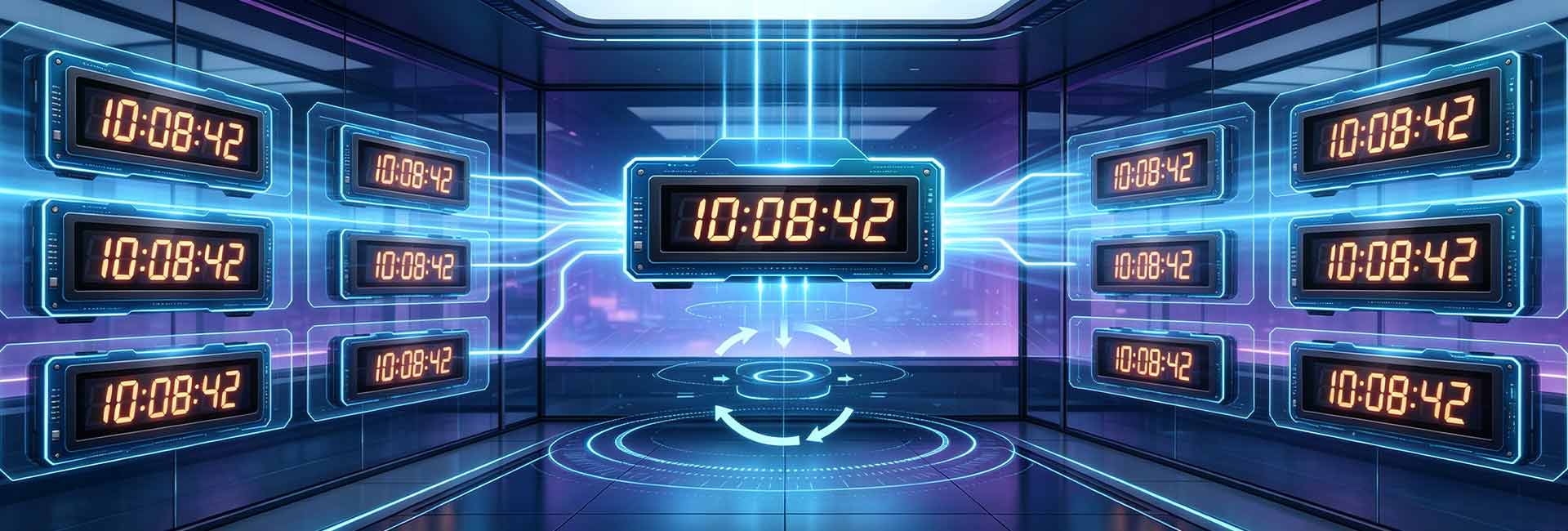
Master Clock System
Bring the master clock, receiving displays and their connections together in one coordinated project. HC Electronics supports master clock system enquiries for new installations, facility upgrades and extensions, with equipment selection reviewed against the conditions at your site.
Define the areas that need synchronized time, the equipment you intend to retain and the scope of the proposed installation. Request a system configuration that identifies how the components will work together—not simply a quotation for individual clocks.
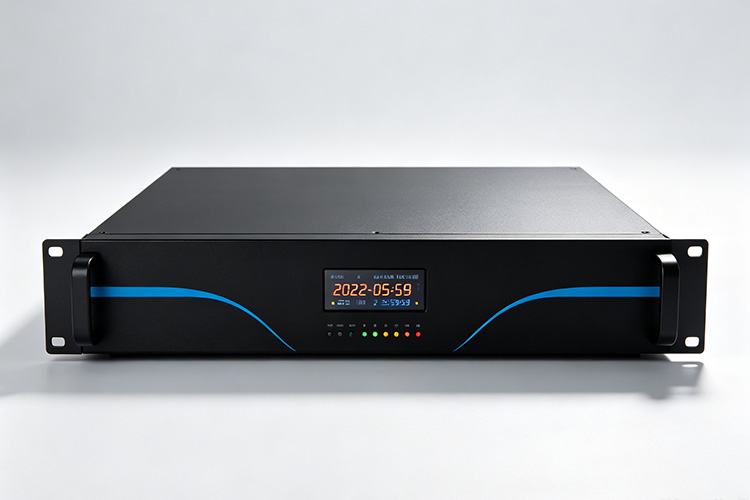
A Complete Master-and-Slave Clock Installation
A master clock system uses central timing equipment to distribute a common reference to compatible receiving clocks. The distribution may use dedicated wiring or supported wireless equipment, depending on the controller and receiving-clock configuration.
For your project, establish the connection from the master to each group of displays. The proposal should identify the selected controller, any required reference equipment, the distribution components and the receiving clocks assigned to each area.
Compatibility should be confirmed for the complete connection path. Where an interface device or transmitter is needed between the master and the clocks, include it in the equipment list rather than leaving it as an unspecified installation requirement.
The resulting configuration should make clear which equipment is new, which existing components remain in service and which site provisions must be available before installation.
Choose the Distribution Approach for Your Site
Wired Master Clock Systems
Consider a wired arrangement where suitable cable routes are available or dedicated clock wiring is part of the building work.
Identify the circuits serving each floor or area, including any existing wiring proposed for reuse. Have the cable condition, route and connected equipment reviewed together before accepting that the existing installation can support the proposed configuration.
The system drawing should show where each clock group connects to the master and where any additional distribution equipment is required. Keep the timing connections and operating-power arrangements clearly identified.
Wireless Master Clock Systems
Consider dedicated wireless distribution where running a timing cable to every clock position would be difficult.
Plan the transmitting equipment and receiving locations together. Building construction, obstructions and interference can affect reception, so coverage needs to be assessed at the intended clock positions rather than assumed from a general range figure.
Identify the available power at each location separately from the wireless timing connection. Any additional transmitting or coverage equipment should be included only after its compatibility and role have been established for the project.
Map Every Clock to the Proposed Installation
Prepare a location schedule that connects the equipment list to the building layout. Give each clock position a room, floor or area reference, then identify its display requirement, assigned connection and installation phase.
This allows the project to accommodate different viewing conditions without losing track of how each display receives its time. A corridor display and a smaller room clock may have different physical requirements while remaining part of the same approved installation.
Size the system by its actual distribution arrangement, not only the total number of clocks. Master-clock outputs have defined electrical limits and connected-load conditions; unused capacity should be established for the proposed circuits and receiving equipment.
Include planned additions separately from the initial order. Ask the proposal to identify what capacity is reserved and what extra equipment would be needed when the next phase proceeds.
Upgrade an Existing Installation in Stages
A phased replacement can retain compatible parts of an existing clock installation while introducing new receiving equipment. Such arrangements depend on the supported interfaces and equipment combinations; they are not universal across master-clock products.
For an upgrade, divide the project into equipment to retain, equipment to replace now and locations intended for later work. Identify any area that must continue operating while another section is changed.
Agree the transition sequence with the installation team. Establish when each section will move to the new reference, how its operation will be checked and what must be confirmed before the previous equipment is disconnected.
The completed first phase should have its own accepted configuration. Later additions can then be reviewed against a documented installation rather than assumptions about what was originally fitted.
Define the Equipment Package and Supply Responsibilities
A complete system proposal should connect the equipment schedule, communication paths and power requirements. These documents provide the basis for coordinating the clock package with the work carried out at the site.
| Project Item | What the Proposal Should Identify |
|---|---|
| Central timing equipment | Master-clock configuration, reference arrangement and required accessories. |
| Distribution equipment | Approved interfaces, transmitters or other components connecting the master to the receiving clocks. |
| Receiving-clock schedule | Clock type, quantity and location reference for each installation area. |
| Power and mounting provisions | Supplied accessories, retained equipment and items to be provided at the site. |
| Installation responsibilities | Responsibility for cable work, mounting, electrical connections, configuration and site testing. |
| Project documentation | Agreed drawings, equipment records, operating information and acceptance requirements. |
Request the supply scope explicitly. A complete equipment package does not automatically include building cabling, electrical work or on-site installation.
Where work is divided between HC Electronics, an integrator and the site contractor, identify the connection points and information each party needs. Optional services and separately supplied components should appear as distinct quotation items.
Commission the Clocks as One Installation
Agree the acceptance criteria before delivery. Define the permitted displayed-time difference, the reference used for checking it and the time allowed for the installation to reach normal operation.
The site test should follow the location schedule. Check that the intended reference reaches each distribution section and that the receiving clocks assigned to that section display the required time.
Where interruption recovery matters, specify the condition to be tested. Loss of the master’s reference, interruption of a distribution connection and loss of power are different events; agree which are relevant and how the proposed system is expected to respond.
Distinguish factory configuration checks from final site acceptance. Equipment evaluated together before shipment still needs to be checked with the installed connections and actual receiving locations.
At handover, retain the accepted equipment list, final location schedule, configuration records and test results. Include any agreed expansion limits so subsequent work can be assessed against the installation that was delivered.
Master Clock System Project Questions
Can wired and wireless sections share the same master clock?
Some master-clock arrangements support wired outputs alongside a compatible wireless transmitter. This depends on the controller’s fitted functions and the receiving equipment used on each path.
For a mixed project, request a combined configuration assessment. The proposal should identify both distribution paths, the equipment linking them to the master and any restrictions on simultaneous operation.
Will a fault in one area affect the rest of the system?
That depends on the affected component and which connections or power sources are shared. Include any requirement to keep unaffected areas operating while a section is isolated for maintenance.
Ask how the proposed configuration handles the specified fault. Separate circuit names or floor labels should not be treated as proof of electrical isolation or independent operation.
Request a Master Clock System Quotation
Send HC Electronics a floor plan or clock-location list, the initial quantity required and any planned expansion. Identify existing controllers, clocks or wiring that you want to retain, together with the preferred installation stages.
Include the project location, expected supply scope and acceptance requirements. We will review the enquiry and discuss a coordinated master clock system configuration with the equipment, connections and responsibilities clearly identified.
Request Your Master Clock System Quote