
Technology Behind Synchronized Clocks
Synchronized clocks depend on more than the clock display itself. The accuracy and consistency of a clock network are determined by how time is obtained, distributed, communicated, and maintained across connected devices.
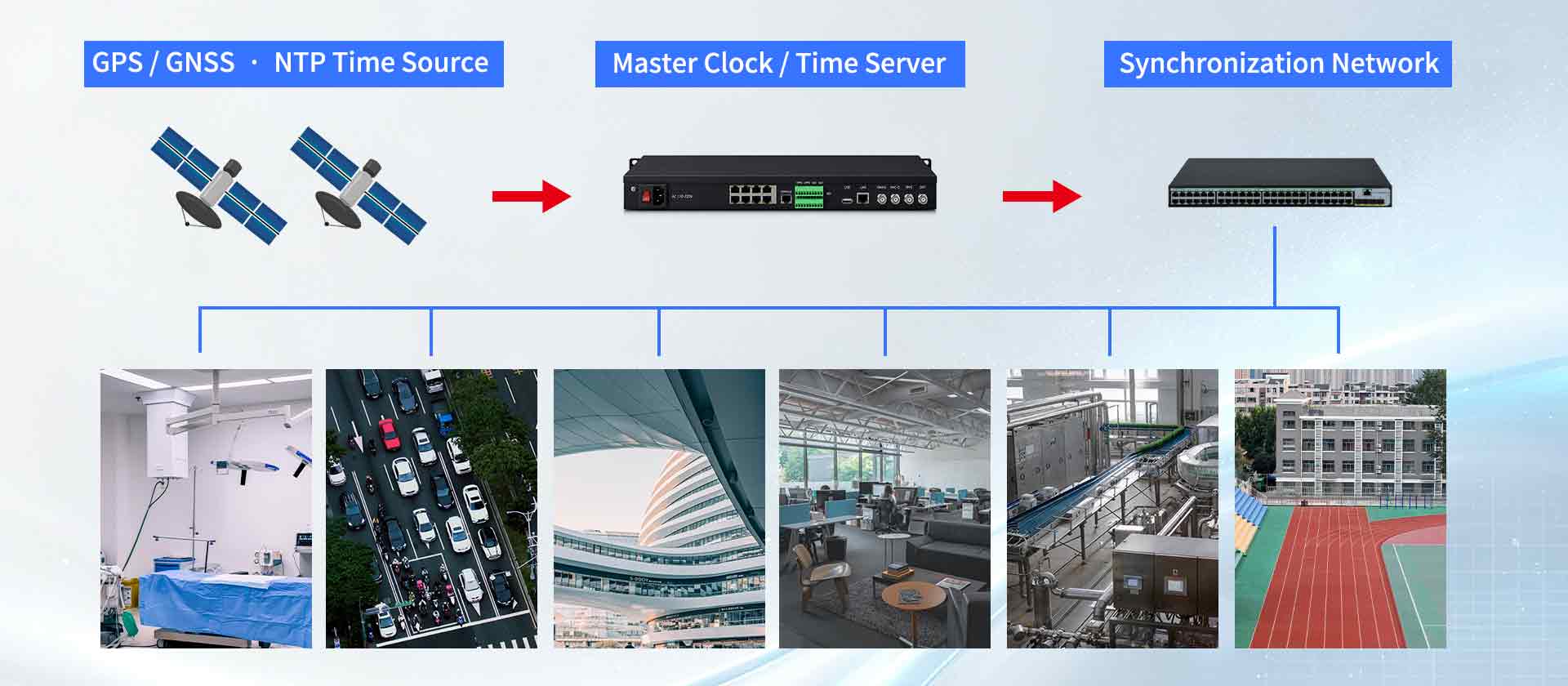
Modern synchronized clock technology combines accurate time references, network communication, synchronization protocols, and reliable power solutions to keep multiple clocks operating from the same time source.
At HC Electronics, we develop clock solutions around practical technologies that support reliable time synchronization in schools, factories, offices, healthcare facilities, transportation environments, and other commercial facilities.
How Clock Synchronization Works
A synchronized clock system begins with a reliable reference time.
The reference time is distributed to connected clocks through an appropriate communication method. Each clock receives the time information and adjusts its internal time accordingly. Once synchronized, the clocks continue to maintain the correct time while periodically receiving updates from the reference source.
The basic process can be understood as:
The technology used for each stage depends on the type of installation, available infrastructure, required accuracy, and communication environment.
NTP Clock Technology
Network Time Protocol (NTP) allows devices to obtain time information through an IP network.
An NTP-compatible clock can communicate with an NTP time source and use the received information to maintain its displayed time. Because the existing network infrastructure can be used for time distribution, NTP technology is well suited to facilities that already operate Ethernet or IP networks.
NTP clock technology can simplify deployment by allowing synchronized clocks to communicate through standard network infrastructure.

How NTP Synchronization Works
An NTP clock connects to the network and communicates with an available NTP time source.
The clock receives timing information, evaluates the difference between its internal clock and the reference time, and adjusts its timekeeping. This process can be repeated automatically so that connected clocks remain aligned over time.
NTP-based synchronization can also support centralized management when multiple network devices need access to a common time reference.
NTP and Network Infrastructure
Because NTP synchronization operates through IP networks, installation can often make use of existing Ethernet infrastructure.
This approach can be particularly useful when a facility already has network connectivity at the locations where clocks will be installed. Network-based synchronization also provides flexibility when the number of clocks changes or additional areas need to be covered.
PoE Clock Technology
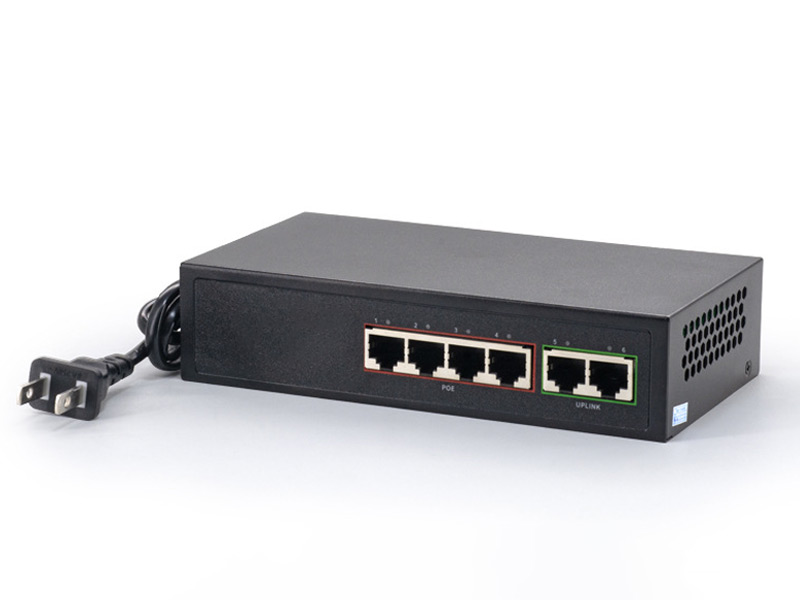
Power over Ethernet (PoE) combines network communication and electrical power through a compatible Ethernet connection.
For compatible synchronized clocks, PoE can reduce the number of separate connections required at the clock location. A single Ethernet connection can provide both network connectivity and power, depending on the clock and network equipment being used.
This can simplify installation in locations where Ethernet infrastructure is already available.
How PoE Clocks Work
A PoE-compatible clock connects to a suitable PoE network connection.
The Ethernet connection provides power while also carrying network communication. The clock can therefore receive time information through the network while obtaining its operating power from the same connection.
PoE technology can be useful for new installations as well as facility upgrades where network infrastructure is already established.
Benefits of PoE for Clock Installations
PoE can help reduce cabling requirements and simplify the connection between a clock and the facility network.
It can also make clock placement more flexible because a separate local power connection may not be required at every clock location.
For larger installations, using a common network infrastructure can provide a practical way to connect and manage multiple compatible clocks.
Wired Clock Synchronization
Wired synchronization uses physical connections to distribute timing information between the time source and synchronized clocks.
A wired approach provides a defined communication path and can be appropriate for facilities where dedicated cabling is preferred or already available.
Depending on the system design, wired synchronization may use dedicated signal wiring, Ethernet networking, or other communication infrastructure.
The choice of wired technology depends on the building layout, installation requirements, distance between devices, and existing infrastructure.

Wireless Clock Synchronization
Wireless synchronization transfers timing information without requiring a dedicated physical communication cable between every clock and the synchronization source.
Wireless technology can be useful when installing new communication wiring would be difficult, expensive, or disruptive.
The practical performance of a wireless clock installation depends on factors such as building construction, distance, interference, device placement, and the wireless technology being used.
A wireless solution should therefore be designed around the physical environment rather than selected solely on the basis of clock quantity.
Digital Clock Technology
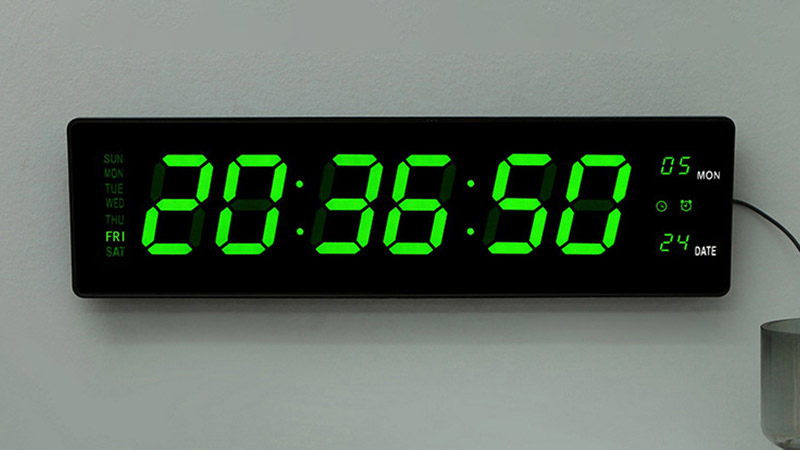
Digital synchronized clocks use electronic displays to present time in a clear and easily readable format.
Digital displays can be designed for different viewing distances, installation environments, and visibility requirements. They can also support different display configurations depending on the clock model and system architecture.
When integrated into a synchronized clock network, the display becomes the visible endpoint of the underlying timing technology.
The synchronization mechanism determines the time information delivered to the clock, while the display technology determines how that information is presented to people in the facility.

Time Distribution Technology
A synchronized clock network requires a method for distributing a common time reference.
The distribution method determines how the reference time reaches individual clocks. Network-based systems can distribute time through IP infrastructure, while other systems can use dedicated communication or wireless transmission.
A well-designed time distribution architecture helps ensure that clocks throughout a facility receive consistent timing information.
The appropriate architecture depends on:
Time Accuracy and Clock Synchronization
Synchronization is different from simply displaying time.
A clock can display the correct time when initially set, but its internal timekeeping can gradually differ from a reference clock. A synchronized clock system addresses this by periodically receiving updated timing information.
The synchronization process helps maintain consistency across multiple clocks rather than relying on each individual clock to be manually adjusted.
For facilities with many clocks, automated synchronization can reduce the need for manual time setting and help maintain consistent displayed time throughout the building.
Centralized Time Management
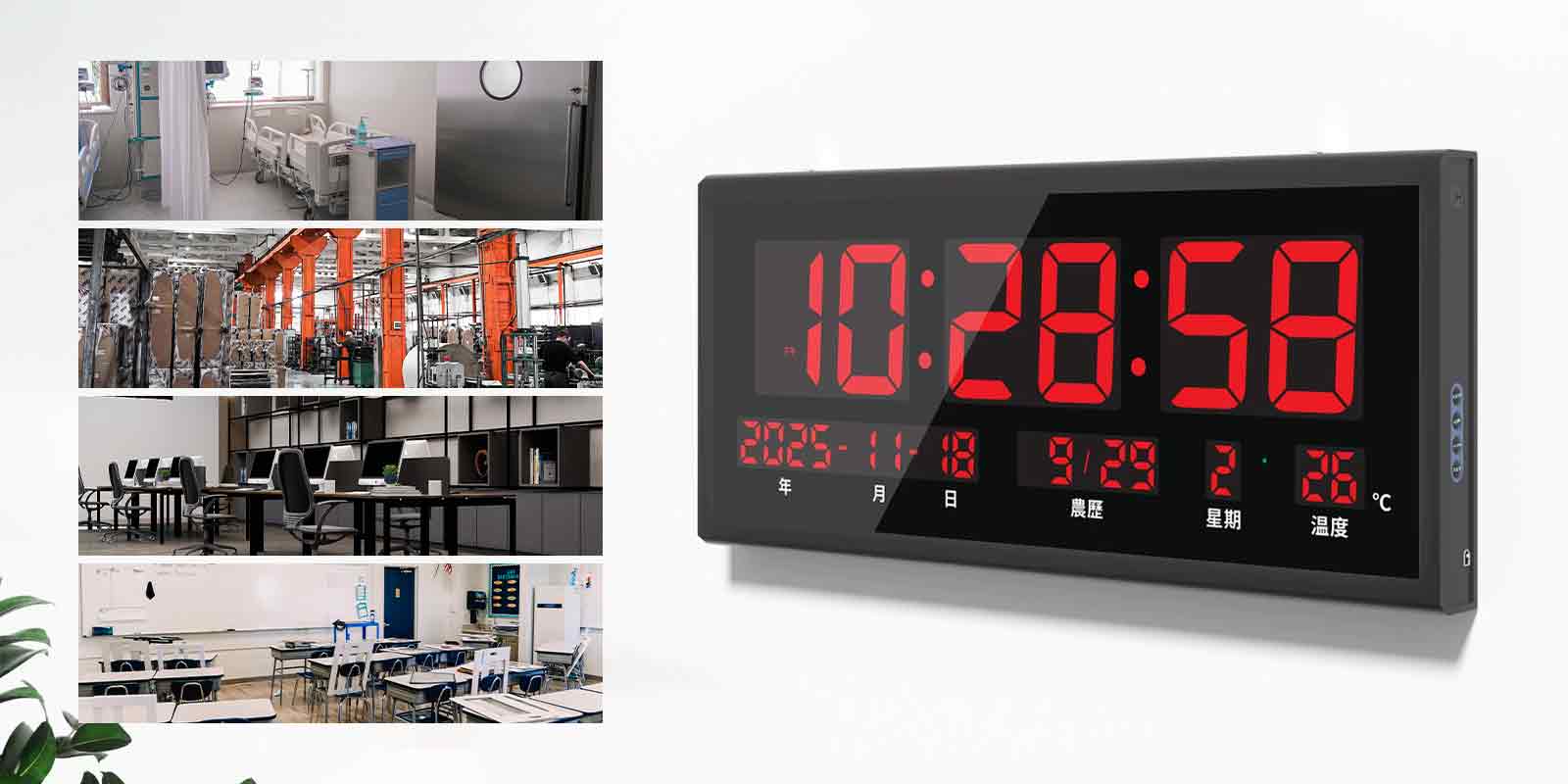
Network-connected clock technology can support centralized time management.
Instead of treating every clock as an independent device, multiple clocks can receive time information from a common source. This creates a consistent timing structure across the installation.
Centralized synchronization can be useful when a facility contains clocks across multiple floors, buildings, departments, or operational areas.
When the network architecture supports it, additional clocks can also be incorporated without creating a completely independent timing system for each location.
Synchronization Across Multiple Buildings
Large organizations may need synchronized clocks in more than one building.
Network-based time synchronization can provide a common timing reference across connected locations. Each clock communicates with the relevant time source through the available network infrastructure.
This approach can help organizations maintain consistent displayed time across geographically separated areas when the underlying network architecture provides suitable connectivity.
The actual system design depends on the relationship between buildings, network availability, and the selected synchronization technology.
Clock Network Architecture
A synchronized clock installation can be viewed as a network of several functional layers:
This layered approach allows the timing function, communication method, clock hardware, and power infrastructure to be considered together when designing a complete installation.
Choosing the Right Synchronization Technology
There is no single synchronization technology suitable for every building.
A practical choice depends on the infrastructure already available and the technical requirements of the installation.
For example, a facility with an established Ethernet network may benefit from network-based synchronization, while another building may require a different communication architecture because of its physical layout or installation constraints.
Important considerations include:
Existing Infrastructure
Determine what network, power, and communication infrastructure is already available.
Installation Environment
Consider building construction, cable routes, clock locations, and communication distances.
Number of Clocks
The synchronization architecture should accommodate both the current installation and potential expansion.
Power Requirements
Consider whether clocks will use dedicated power connections or a technology such as PoE.
Network Availability
For network-based systems, assess the availability and configuration of suitable Ethernet infrastructure.
Future Expansion
A scalable architecture can make it easier to add clocks or extend synchronization to additional areas.
Explore Synchronized Clock Technology
Understanding the technology behind synchronized clocks makes it easier to evaluate different system architectures and installation options.
Explore the technologies used to connect, power, and synchronize modern clock networks.
NTP Clock Technology
Learn how network-based time synchronization allows compatible clocks to receive accurate time information through an IP network.
Learn About NTP Clock TechnologyPoE Clock Technology
Discover how Power over Ethernet can combine network connectivity and electrical power for compatible synchronized clocks.
Learn About PoE Clock TechnologyWired Synchronization
Understand the role of physical communication infrastructure in synchronized clock installations.
Learn About Wired SynchronizationWireless Synchronization
Explore wireless approaches for distributing time information where dedicated communication cabling is not practical.
Learn About Wireless SynchronizationBuild a Synchronized Clock Network
The right technology depends on the building, infrastructure, clock locations, and synchronization requirements.
HC Electronics provides synchronized clock solutions designed around different installation environments and communication technologies.