
Outdoor Sports Facility Clocks
Synchronized Time Displays for Outdoor Sports Grounds and Recreation Areas
Outdoor sports facilities need clear, visible time displays that can be read under changing daylight and weather conditions.
From training fields and spectator areas to outdoor courts, recreation grounds and staff spaces, HC Electronics provides synchronized clock solutions for outdoor sports facilities, helping operators plan time displays around viewing distance, mounting, power and environmental exposure.
The goal is straightforward: provide a reliable time-of-day reference that remains easy to see in outdoor conditions.
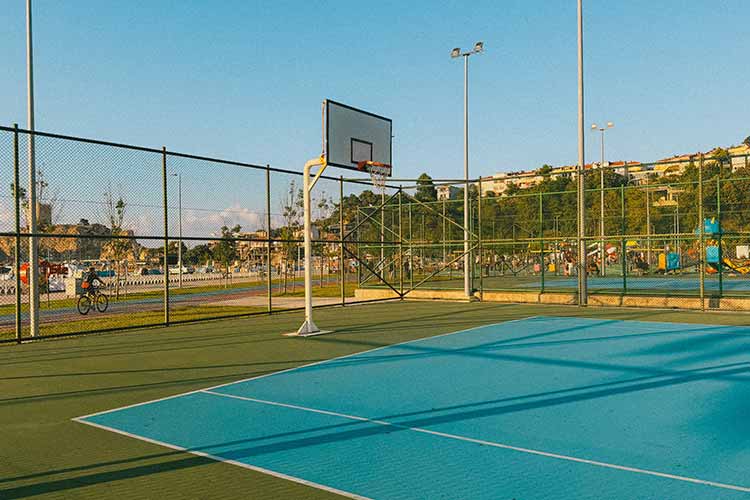
Why Outdoor Sports Facilities Need Synchronized Clocks
Outdoor venues are used by athletes, staff, visitors and facility teams throughout the day.
Typical areas include:
- Training fields
- Outdoor courts
- Spectator areas
- Facility entrances
- Staff zones
- Recreation grounds
- Outdoor school sports areas
A synchronized clock provides a shared visible time reference across these spaces.
It can support:
- Training schedules
- Staff coordination
- Facility opening and closing routines
- Visitor time awareness
- General site organization
These displays provide the current time of day. They are not automatically game clocks, scoreboards or competition timers.
Plan for Daylight Visibility
Outdoor readability depends heavily on lighting.
A display that looks bright indoors may be difficult to read in direct sunlight.
When selecting an outdoor clock, review:
- Direction of sunlight
- Time of day the area is used
- Background contrast
- Viewing distance
- Shade from nearby structures
- Reflections from covers or glazing
Where possible, assess the proposed display from the actual viewing area during representative daylight conditions.
Do not rely only on maximum brightness figures. Visibility depends on the complete display, digit size, contrast and installation position.
Choose the Clock Position Around the Activity Area
Outdoor clock placement should consider how people move through the site.
Training Fields
For training grounds, identify where athletes and coaches normally gather or look between activities.
Consider:
- Sideline positions
- Coach areas
- Facility entrances
- Viewing direction
- Distance across the field
A single display may work well if the main viewing direction is clear.
Outdoor Courts
For tennis courts, basketball courts and similar facilities, clock placement should avoid:
- Nets and fences
- Lighting poles
- Spectator obstructions
- Areas exposed to regular impact
Select a location where the display remains visible without interfering with play.
Spectator and Waiting Areas
Public-facing clocks may be useful near:
- Seating areas
- Entrances
- Concession spaces
- Waiting zones
Review viewing distance and mounting height carefully, especially where people approach from several directions.
Review Weather Exposure Before Selecting the Clock
Outdoor equipment may be exposed to:
- Rain
- Wind
- Dust
- Heat
- Cold
- UV exposure
- Condensation
The required protection level depends on the actual installation environment.
Ask for documented environmental specifications for the proposed model.
Do not assume that a clock is waterproof or suitable for direct outdoor exposure simply because it has a sealed-looking enclosure.
Where an IP rating or another environmental classification is required, confirm that rating for the exact model and configuration being offered.
Plan the Mounting Structure Carefully
Outdoor installations often rely on walls, poles or custom support structures.
Before approving a mounting point, review:
- Structural support
- Wind exposure
- Mounting hardware
- Cable routing
- Access for maintenance
- Clearance from sports activity
For pole-mounted or elevated clocks, the supporting structure should be assessed by the responsible installer or engineer.
The clock and bracket should be treated as one installed assembly.
Provide a Suitable Power Connection
Outdoor clocks still require operating power.
Identify the power available at each proposed location.
Consider:
- Distance from the supply
- Cable route
- Weather-protected connections
- Local electrical requirements
- Maintenance access
Do not assume that wireless time reception removes the need for electrical power.
Any outdoor electrical work should follow the requirements of the site and local regulations.
Consider Temperature and Seasonal Conditions
Outdoor facilities may operate across a wide temperature range.
Before selecting equipment, provide the expected seasonal conditions for the site.
Ask for the supported operating range of the proposed clock and any limitations related to:
- Extreme heat
- Low temperature
- Direct sunlight
- Enclosure ventilation
A clock accepted for an indoor arena should not automatically be treated as suitable for an outdoor installation.
Keep the Display Separate from Sports Timing Equipment
A synchronized facility clock shows the current time.
It is different from:
- Scoreboards
- Match timers
- Shot clocks
- Race timers
- Countdown displays
If the facility requires one of these functions, specify it separately.
Do not assume that a time-of-day display can replace equipment used for official competition timing.
Plan for Maintenance Access
Outdoor clocks may be installed high above the ground or in locations that are difficult to reach.
Before installation, consider:
- Lift or ladder access
- Safe maintenance position
- Cable access
- Seasonal weather
- Ability to isolate power
Where a clock is mounted above spectator areas or sports zones, plan maintenance so the work can be carried out safely without unnecessary disruption.
Upgrade Existing Outdoor Clock Installations
Outdoor facilities may already have clocks mounted on buildings, poles or spectator structures.
Before replacing them, review:
- Existing mounting condition
- Power connection
- Cable route
- Viewing distance
- Weather exposure
- Structural condition
Do not assume the new clock can use the old mounting hardware without review.
For retained support structures, confirm that they are suitable for the proposed clock assembly.
Outdoor Sports Clock Questions
Can a synchronized clock be used in direct sunlight?
Only if the selected model is suitable for the required daylight conditions.
Review brightness, contrast and viewing angle using the actual installation position.
Are outdoor clocks waterproof?
Not automatically.
Outdoor suitability depends on the documented environmental rating of the exact model. If an IP rating is required, confirm that it applies to the complete supplied configuration.
Can the clock also be used as a scoreboard?
Not unless that function is specifically supported.
A synchronized clock is primarily a time-of-day display. Scorekeeping and competition timing require separate equipment unless explicitly included.
Can one clock cover an entire outdoor field?
That depends on field size, viewing direction and digit size.
Provide the approximate maximum viewing distance and proposed mounting location so the display can be reviewed for the site.
Plan Your Outdoor Sports Clock Solution with HC Electronics
Include approximate viewing distances, daylight conditions and environmental exposure.
We can review the requirements and discuss a synchronized clock configuration suited to your outdoor sports or recreation facility.
Request an Outdoor Sports Clock ProposalSend HC Electronics a simple site plan showing:
- Sports fields or courts
- Spectator areas
- Proposed clock positions
- Available power
- Mounting structures
- Existing clocks