

Wireless Synchronized Clock System
Coordinate clock displays across your facility without running a dedicated timing cable to every location. HC Electronics supports wireless synchronized clock system projects for buildings where new communication wiring would be difficult or disruptive.
Plan the installation around the areas that need coverage, the transmitting equipment serving them and the power available at each clock position. A complete proposal should establish where the selected equipment can operate together—not simply specify a quantity of wireless clocks.
Request a Wireless Clock System Proposal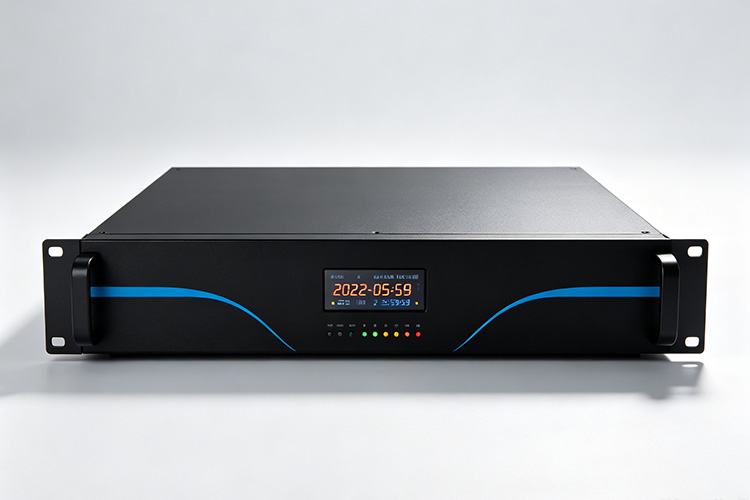
Dedicated Wireless Timing for Your Facility
A transmitter-based clock installation distributes time from central equipment to compatible receiving displays over a dedicated radio connection. The transmitting equipment obtains its reference separately; individual receiving wireless clocks do not need to join the building’s Wi-Fi network to receive that broadcast.
Identify the reference available to the transmitting equipment and the clock groups it must serve. Where the reference requires additional equipment or a network connection, include that dependency in the proposed arrangement.
The transmitter and receiving clocks should be approved as one configuration. For an extension to an existing installation, identify the equipment already operating before deciding which components can be retained.
Base Coverage on the Building, Not a Range Figure
Coverage must be established at the clock locations that matter to your project. Building construction, obstructions, interference and equipment placement affect wireless reception; a general transmission-distance figure does not demonstrate coverage throughout a particular facility. Learn more about clock synchronization technology.
Provide floor plans showing proposed display positions, separate wings, changes in floor level and areas with restricted access. Mark locations behind substantial structural barriers or within enclosed service areas for particular attention.
Evaluate representative positions with the proposed transmitter and receiving hardware. Include the intended mounting height and any protective enclosure or surrounding metalwork in that review.
Record reception conditions as well as the result. A test during an empty-building fit-out should not automatically become acceptance for an occupied area with additional partitions, shelving or equipment.
The coverage assessment should identify confirmed positions, locations needing adjustment and areas that remain untested. This gives the project a clear basis for selecting equipment quantities and installation locations.
Place Transmitting Equipment Around the Coverage Requirement
Select the transmitter position in relation to the receiving areas, its reference connection and the access needed for maintenance. Do not choose a convenient equipment-room location without assessing reception at the displays.
Where a proposed position leaves an area inadequately served, review the available options before adding hardware. These may involve relocating the transmitting equipment, changing an approved antenna arrangement or using a supported extension device.
Additional transmitters and repeaters require a defined role and compatible equipment. Retransmission is a documented feature of some products, such as a wireless master clock transceiver, but it should not be assumed for every receiving clock or transmitter.
For a design using several transmitting points, document their reference assignments, operating settings and intended receiving areas. Have their combined operation assessed before accepting them as a coordinated installation.
Include the destination country and any site restrictions in the equipment enquiry. Request confirmation of the proposed radio configuration and the documentation applicable to its intended use before ordering.
Plan Power and Access Alongside Radio Coverage
Wireless timing does not make the entire installation power-free. Wireless clock products can use batteries or an external electrical supply, depending on the model. Establish the actual power arrangement for the clocks and transmitting equipment in the proposed package.
For externally powered displays, identify the supply available at each approved mounting position. Include any new electrical work in the installation scope rather than assuming that removing the timing cable removes every wiring requirement.
Where a battery-powered version is proposed, assess replacement access and the maintenance conditions behind any stated battery-life estimate. High or restricted-access locations should have an agreed servicing arrangement.
Consider the transmitting equipment separately. Define the required response to a loss of its power or reference, including any backup provision and the period for which the receiving clocks must remain within the project’s timing tolerance.
Verify Repeated Time Reception Before Acceptance
A clock showing the correct time during one inspection is not enough to establish reliable time synchronization. It may continue displaying time between successful reference updates. Reception and ongoing timekeeping therefore need separate checks.
Agree a test period appropriate to the selected equipment’s transmission and reception behavior. Establish how successful updates will be verified using the indications, records or test methods available for that configuration.
The site acceptance plan should cover:
| Acceptance Check | What to Establish |
|---|---|
| Approved clock positions | Each installed location receives the intended timing transmission under the agreed site conditions. |
| Repeated updates | Reception is demonstrated over the agreed observation period, not only at initial start-up. |
| Displayed-time agreement | Clocks meet the specified tolerance against the accepted reference and each other. |
| Transmission interruption | The expected response is verified when a scheduled test temporarily removes the timing transmission. |
| Return to service | Affected displays regain accepted synchronization within the agreed recovery period. |
Carry out interruption tests only under an authorized procedure. Distinguish loss of the transmitting equipment’s reference from loss of its radio transmission or operating power.
For locations that cannot be accessed, record the outstanding verification rather than marking the entire area complete. Keep the final acceptance results associated with the installed clock positions and transmitting configuration.
Extend the Installation Without Losing Its Coverage Record
Treat a new wing, additional floor or relocated display as a change to the accepted wireless installation. Review the receiving location before purchasing additional equipment solely on the basis of spare capacity.
Identify whether the addition falls within a verified receiving area or requires further assessment. Where another transmitting point is proposed, review its operation alongside the equipment already installed.
Keep the initial phase and later additions visible on the same site plan. Record changes to transmitter positions, antenna arrangements and receiver assignments so future work starts from the installation that actually exists.
After substantial building changes, include affected clock positions in the maintenance review. The original coverage record provides the baseline for deciding what needs to be rechecked.
Define the Complete Wireless Project Package
Request a quotation that connects the coverage assessment with the equipment being supplied. The package should identify the transmitting equipment, its reference arrangement, approved receiving-clock quantities and any supported coverage-extension components.
Separate hardware supply from site evaluation and installation services. Establish who will perform the reception assessment, provide operating power, mount equipment and complete the final location-by-location checks.
Where coverage remains provisional, state how additional testing and any resulting equipment changes will be approved. This avoids treating an untested area as part of an unconditional coverage commitment.
Include operating information for the accepted configuration and identify the records needed at handover: transmitter settings, clock locations, reference dependencies, reception findings and unresolved items.
Wireless Clock System Project Questions
Can the central unit confirm that every clock is receiving time?
Only where the proposed equipment provides the necessary return communication and reporting. Ask which information comes back from individual clocks and whether it confirms a recent synchronization event.
Where that functionality is unavailable, agree an appropriate inspection or testing method. A normal indication at the transmitter should not be used as confirmation that every display has received its signal.
Can installation begin before all rooms are finished?
A staged installation can be proposed, with the tested areas accepted separately from unfinished locations.
Identify the conditions that must be present for final reception testing, including completed partitions and the agreed clock mounting positions. Keep untested rooms provisional and arrange the remaining checks before project completion.
Request Your Wireless Synchronized Clock System Configuration
Send HC Electronics a floor plan showing the required clock positions, building boundaries and possible transmitter locations. Include the initial quantity, intended expansion areas, available power and any existing wireless clock equipment you want to retain.
Specify the destination country, restrictions on installation access and the coverage-evaluation work you expect to be included. Request a wireless synchronized clock system proposal covering the matched equipment, transmitting arrangement, verified receiving locations and acceptance responsibilities.
Request a Wireless Clock System Quote