

GPS Master Slave Clock System
Replace, retain or add receiving clocks as part of a coordinated GPS-referenced installation. HC Electronics supports synchronized clock systems that combine central timing equipment with compatible clock displays, with the equipment and project requirements reviewed together.
For a GPS master slave clock system, define the relationship between the proposed master and the clocks it will drive. Start with the displays already installed, the locations requiring replacements and the additional clocks needed for the completed project.
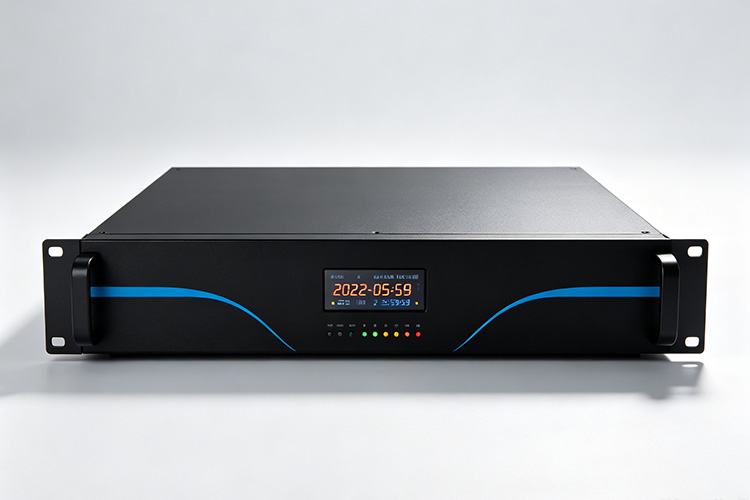
A GPS Master Paired with Compatible Slave Clocks
In this arrangement, GPS provides the master equipment with its reference, while the slave clocks receive timing information through the master’s supported distribution outputs. The receiving clocks must accept the appropriate output format; a GPS reference at the master clock does not make every slave-clock type compatible.
Treat the master configuration and receiving-clock groups as a matched installation. For each group, identify the slave model, receiving method and connection to the proposed master.
Where the project includes an additional interface or transmitting device, have that equipment included in the compatibility assessment. The accepted pairing should describe the actual connection used, not assume that two otherwise incompatible products will work together.
Decide Which Slave Clocks Stay in Service
A replacement project does not need to begin with an assumption that every clock must be removed. Instead, organize the installed displays by their proposed role and establish what must be verified for each group.
| Clock Group | Decision Required for the Project |
|---|---|
| Existing clocks to retain | Verify that the proposed master can operate the installed receiving hardware without unapproved changes. |
| Existing clocks to replace | Identify the replacement assembly and any changes needed at its connection or mounting position. |
| Clocks for new locations | Assign an approved receiving configuration and identify the infrastructure needed to connect it. |
| Maintenance spares | Associate each spare with the clock groups it is intended to replace and the settings it will require. |
Provide representative model information for every receiving-clock type, including older units that differ from the majority of the installation. Where identification is incomplete, keep that group subject to verification rather than treating it as an approved match.
For retained wired clocks, compatibility involves more than the number of conductors or an interface label. For example, RS485 specifies electrical signalling, not the complete timing-message format. The master and receiving electronics must also support the required communication.
Agree How the Slave Clocks Will Correct Their Time
Receiving a stable GPS reference at the master and correcting an individual display are separate acceptance points.
Self-Setting Capability
Self-setting slave clocks can establish their displayed time from a reference signal, but that capability belongs to the receiving-clock design. It should not be assumed for every existing movement or display connected to a new master.
Entering Service
For each proposed master–slave pairing, establish what happens when a clock first enters service. Identify any initial setting, hand alignment or receiver configuration required before normal synchronization begins.
Recovery After Disconnection
Also agree how a clock returns to the correct time after it has been disconnected while the rest of the installation continues operating. The project specification should state whether recovery is automatic, requires a master-issued correction or involves a local adjustment.
Analog and Digital Groups
Where retained analog clocks and new digital displays are included, review their correction behaviour separately. Specify the maximum acceptable settling time for each approved group rather than assuming that all displays will respond in the same way.
Seasonal Adjustment
Any required seasonal adjustment should be included in this review. Confirm where the adjustment is applied and how the receiving clocks follow it; do not assume that GPS reception alone establishes the required local-time behaviour.
Prove the Master–Slave Pairing Before a Larger Rollout
- A
For an installation containing several receiver types, agree an equipment evaluation using a representative clock from each type. Where an existing unit is needed for testing, arrange its identification and availability before the final replacement quantities are approved.
- B
The evaluation should cover the proposed GPS master configuration, the relevant output and the receiving hardware together. Record which combination was tested and any settings needed to achieve the agreed result.
- C
Include the operating conditions important to the project. These may involve a clock starting from an incorrect reading, reconnecting after maintenance or returning after a local power interruption. Tests should follow an agreed procedure and should not interrupt working clock circuits without site authorization.
- D
A successful evaluation should establish more than matching readings at one moment. Verify that the slave follows the designated master reference and responds as required when the agreed correction or recovery condition occurs.
- E
For the finished installation, specify a displayed-time tolerance separately from any GPS receiver performance figure. Published GPS accuracy data does not provide a universal guarantee for the equipment receiving and displaying that time.
Deliver the Project by Approved Clock Group
Use the verified equipment pairings to organize the supply package. Each receiving group should have a defined quantity, master output assignment and installation destination.
New Slave Clocks
Request identification that connects the delivered unit to its approved configuration. Where receiver settings differ between groups, include those differences in the equipment records so visually similar clocks are not installed interchangeably.
Retained Clocks
Identify the work included in the project. This might involve verification only, an approved connection change or a specified adjustment. Keep that work separate from the supply of new displays.
Central Equipment
The central equipment package should identify the GPS receiving arrangement, master hardware and accessories included. Any existing receiving equipment intended for reuse should be recorded explicitly.
Site Work
Price site work separately where appropriate. Removing old clocks, modifying mounting points, accessing existing wiring and performing final tests should each have an assigned responsibility. These tasks should not remain hidden assumptions within a clock-equipment quotation.
Accept Each Completed Area Before Closing the Project
Give every retained or newly installed clock a location reference in the completion record. Associate it with the approved receiver group and note whether the required correction and displayed-time checks have been completed.
Where an area contains clocks that could not be accessed or verified, record those units as outstanding. Do not mark the entire area complete solely because nearby displays are operating correctly.
For staged replacement, agree when a completed group may return to normal use and how any temporary exceptions will be identified to the site team. Keep the accepted and unfinished portions of the installation distinguishable throughout the work.
At handover, provide the records needed to maintain the master–slave pairing: approved equipment references, group assignments, applicable receiver settings and the results of the agreed checks. Include the configuration required when a spare clock is later substituted.
Discuss Your GPS Master Slave Clock System
Send HC Electronics the existing master-clock details and an inventory of the slave clocks you need to retain, replace or add. Include photographs of equipment labels, available connection records and the number of clocks in each group.
Describe the required correction behaviour, permitted maintenance interruptions and any need for phased replacement. Request a proposal that identifies the GPS master configuration, verified receiving-clock combinations, replacement quantities and acceptance requirements.