
Correctional Facility Clock System
Provide a consistent time reference for staff, visitors and residents in the areas where they need to see it. HC Electronics supplies synchronized digital clocks and project configuration support for institutional facilities, with equipment selected around the installation environment and operational requirements.
For a correctional facility, clock planning must address more than display size. Public access, approved mounting arrangements and restricted maintenance opportunities all need to be considered before a location is accepted.
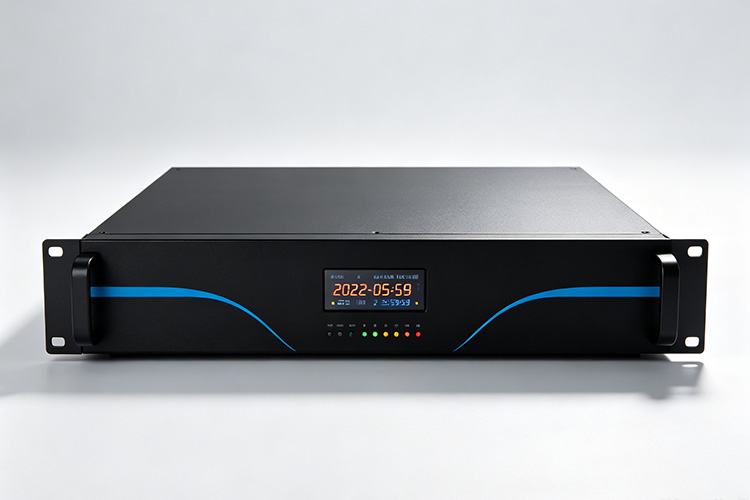
Keep Daily Routines on a Common Time Reference
Staff handovers, meals, educational activities and other scheduled routines involve people working across different parts of a correctional facility. Coordinated clock displays give those people a shared reference rather than a collection of independently set wall clocks.
The objective is straightforward: make the facility’s agreed time easy to see and interpret. Clock displays support those routines; they do not replace the procedures or personnel responsible for carrying them out.
For staff, the benefit is a consistent reading when communicating an agreed start time or handing over responsibilities.
In approved resident-facing areas, visible clocks can help people understand the published daily schedule.
At visitor reception, a clearly positioned display provides a reference for appointments and waiting periods.
Plan Staff, Visitor and Resident Areas Separately
A clock suitable for an administrative office should not automatically be specified for a resident-accessible space. Identify the intended viewers and access conditions for each location before choosing the display and mounting arrangement.
| Facility Area | Clock-Planning Priority |
|---|---|
| Staff workrooms and briefing areas | Provide a clear reference from normal working positions for handovers, meetings and coordination between departments. |
| Visitor reception and waiting areas | Make the time readable from waiting positions without obstructing notices, service counters or circulation routes. |
| Education and programme rooms | Position displays where participants and instructors can follow scheduled sessions, with the complete installation approved for that room. |
| Approved resident common areas | Review visibility together with access to the enclosure, controls, connections and mounting components. |
| Shared corridors and support spaces | Check viewing direction and maintenance access while keeping the installation clear of essential signs and equipment. |
Assign a location reference to each proposed clock. Record whether it serves staff, visitors, residents or several groups, and identify who must approve the installation.
This creates a room-specific specification rather than applying one clock configuration throughout the facility.
Review the Complete Installation for Each Setting
Assess the clock, front cover, enclosure, fixing arrangement and power connection as one assembly. A suitable display does not establish that its mounting or exposed accessories are appropriate for every correctional environment.
Ask the facility’s responsible safety, security and maintenance teams to define the requirements for each area. Where a protective enclosure or restricted-access mounting arrangement is needed, include it in the equipment review before placing the order.
Do not infer impact resistance, tamper resistance or another protective characteristic from a metal frame or product photograph. Any mandatory performance requirement should be supported by documentation applicable to the proposed assembly.
A protective housing should also be evaluated with the clock operating inside it. Check readability, access for authorized servicing and the conditions required for normal operation.
Locations with special safety requirements should remain subject to facility approval until the proposed equipment and installation details have been accepted.
Make the Time Readable Without Adding Unnecessary Information
HC Electronics provides digital clock configurations with different display dimensions and mounting arrangements. Those choices can be reviewed against the viewing conditions of individual spaces rather than requiring every location to use the same size.
Viewing Distance
For a shared area, identify the furthest intended reading position and the directions from which people approach the display. For a staff workroom, check the view from the desk or briefing position rather than only from directly beneath the clock.
Time Format
Use the time format followed in the facility’s written schedules. Where a 12-hour display is specified, establish how AM and PM will be distinguished. Include seconds only where they serve a defined operational need; a larger amount of displayed information is not automatically more useful.
Brightness
Review brightness under the actual lighting conditions. For areas used overnight, specify the required readability and any restrictions on light entering adjacent spaces. Brightness-adjustment features should be confirmed for the selected model.
Reduce Routine Clock-Setting Visits
Automatic synchronization can reduce the need to visit individual clocks simply to correct their time. It does not eliminate inspection, power-related maintenance or checks that the display continues receiving its reference.
For locations where entry requires authorization or staff assistance, review the maintenance tasks before approving the equipment. Establish how settings are changed, how operating condition is checked and what physical access is needed for replacement.
Keep routine time correction separate from maintenance of batteries, power supplies or connections. Identify the actual power arrangement for each proposed clock instead of assuming that synchronization makes it maintenance-free.
Where possible, coordinate installation checks with planned access windows. Give the maintenance team the applicable model information and connection records so a future service visit can be prepared in advance.
Introduce New Clocks Around Approved Access Windows
For an occupied facility, organize the installation by the areas available for work and the approvals required to enter them. Administrative spaces, visitor areas and resident-accessible locations may need different installation arrangements.
Review existing clocks and connections before deciding what to retain. Where equipment is to remain in service, confirm its compatibility with the proposed reference rather than assuming that the entire installation must be replaced.
Identify which displays can be changed together and how staff will be informed when an area’s clock reference is updated. Keep temporary or unverified displays distinguishable until their operation has been checked.
Before returning an area to normal use, verify the completed mounting, visibility and displayed time. Have the responsible site team confirm that the work area is ready for use and that any outstanding items are recorded.
The project quotation should assign responsibility for equipment supply, approved access arrangements, mounting work and final checks. Do not leave these tasks implied within a price for clocks alone.
Correctional Facility Clock Questions
Does synchronizing the wall clocks also synchronize electronic incident records?
Not by itself. A wall clock provides a visible reference for people; electronic records obtain timestamps through their own equipment and software.
Where consistency with an electronic system is required, ask the responsible technical team to verify both references independently. Agreement between wall displays should not be treated as proof that recording systems are correctly configured.
Can the clocks show the remaining time for a visit or programme?
Include a countdown requirement separately from the time-of-day display. Ask whether the proposed model supports it, how authorized staff would operate it and what additional controls would be needed.
Do not assume that countdowns, audible reminders or connections to announcements are included with a synchronized clock installation. Each requested function should be identified and confirmed in the accepted proposal.
Can a standard clock be used behind a protective cover?
Request an assessment of the combined assembly. The cover, mounting and service access need to satisfy the facility’s requirements while allowing the clock to operate and remain readable.
Approval of the clock alone should not be extended automatically to a separately supplied protective housing.
Plan Your Correctional Facility Clock Installation
Start with a non-sensitive summary of the areas requiring displays, the approximate quantities and the intended viewers. Identify the locations subject to special mounting approval or restricted maintenance access.
Include the preferred time format, existing equipment you wish to retain and available installation windows. Any detailed facility documents can be provided later through an authorized project-review process.
HC Electronics can review the clock and configuration requirements with your purchasing, facilities and technical teams. Request a proposal that identifies the offered equipment, installation conditions requiring approval and the responsibilities included in the supply scope.