
Sports Arena Clock Systems
Synchronized Time Displays for Stadiums, Arenas and Event Facilities
Sports venues depend on coordination between teams, staff, event organizers and visitors. From entrances and concourses to offices, hospitality areas and operational spaces, clear time visibility helps create an organized event environment.
HC Electronics provides synchronized clock solutions for sports arenas and event facilities, helping venues plan visible time displays according to building layout, visitor flow and operational requirements.
A well-designed sports arena clock system supports facility coordination, improves time visibility and provides a consistent experience throughout the venue.
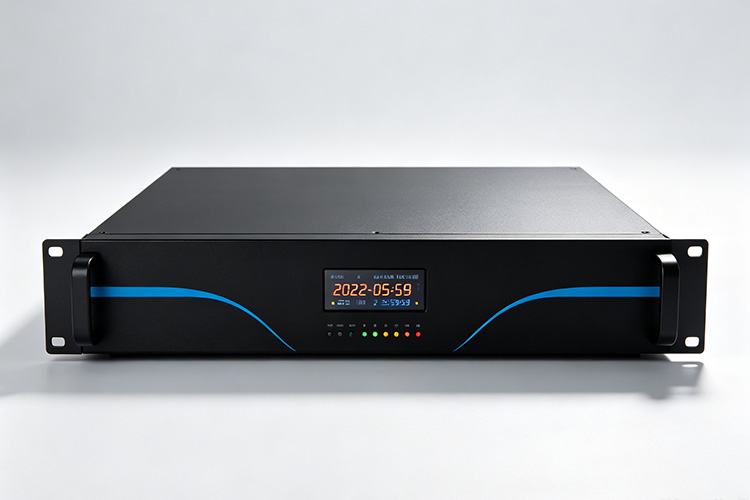
Why Sports Arenas Need Synchronized Clocks
Modern sports venues include many areas operating at the same time. During events, different teams manage different activities while following shared schedules.
- 01Stadium entrances
- 02Concourses
- 03Hospitality areas
- 04Team facilities
- 05Staff offices
- 06Meeting rooms
- 07Security areas
- 08Event operation spaces
A Common Time Reference
A synchronized clock system provides a common visible time reference across the venue. It can support:
- Event preparation
- Staff coordination
- Visitor orientation
- Facility operations
- Meeting schedules
- Venue management
Purpose of Arena Clocks
The purpose of arena clocks is to make time information available where guests and staff need it.
Arena clocks support facility coordination but do not replace official game timing systems, scoring equipment or event-control systems.
Synchronized Clocks for Sports Venue Areas
Different areas inside a sports arena have different requirements for visibility, placement and design. HC Electronics helps review clock requirements according to the purpose of each space.
Entrances and Public Areas
Main entrances and concourses are important visitor-facing areas.
Clock planning should consider- Visitor viewing distance
- Crowd movement
- Open-space visibility
- Interior design
- Lighting conditions
A visible synchronized clock helps visitors reference the current time while moving through the venue.
Placement should not interfere with- Directional signs
- Ticketing information
- Promotional displays
- Public announcements
Concourse Areas
Large arenas often include extensive concourse spaces connecting different sections.
Clock locations should consider- Walking paths
- Viewing directions
- Crowd flow
- Installation height
A coordinated clock layout helps provide consistent time visibility throughout the venue.
Hospitality Areas and Premium Spaces
Hospitality areas require solutions that match the environment while maintaining practical visibility.
Consider- Interior design
- Seating arrangements
- Guest experience
- Display appearance
The clock should fit naturally into premium areas while providing accurate and consistent time information.
Team and Staff Facilities
Sports venues rely on many operational teams working behind the scenes.
Areas may include- Team preparation spaces
- Staff offices
- Meeting rooms
- Event management areas
A synchronized clock helps staff reference the same time during preparation and coordination activities.
Operations and Control Areas
Venue operations require coordination between multiple departments.
Clock planning should consider- Operations rooms
- Security areas
- Facility management spaces
- Technical support areas
The display should remain visible to authorized personnel while fitting the operational environment.
Planning a Sports Arena Clock System
A successful sports venue clock installation begins with understanding the building layout and event workflow.
Identify Important Clock Locations
Review where visitors and staff need visible time information.
Typical locations include- Main entrances
- Public corridors
- Event spaces
- Offices
- Hospitality areas
- Staff facilities
Each location should be evaluated according to viewing distance and usage requirements.
Consider Large Venue Visibility
Sports arenas often contain large open areas.
Clock selection should consider- Building size
- Viewing distance
- Display dimensions
- Mounting height
- Lighting conditions
A clock suitable for a small meeting room may not provide enough visibility in a large stadium environment.
Match the Clock System to Venue Infrastructure
The clock solution should fit the existing facility environment.
Project planning may include- Available power sources
- Existing network infrastructure
- Installation access
- Building structure
- Future expansion requirements
The final configuration should be based on the actual venue conditions.
Support Stadiums and Multi-Area Event Facilities
A synchronized clock solution can help maintain consistent time visibility throughout the venue.
Large sports venues may include multiple connected areas
- Stadium buildings
- Training facilities
- Event spaces
- Administrative offices
- Visitor facilities
Planning should consider
- Number of clock locations
- Visitor movement
- Staff workflow
- Event requirements
- Future expansion
A structured approach helps maintain consistency across different areas of the facility.
Improve Event Operations and Visitor Experience
Synchronized clocks contribute to a more organized sports environment.
Better Staff Coordination
Event teams can reference the same visible time during preparation, operation and post-event activities.
Improved Visitor Experience
Guests can easily reference time information throughout entrances, public areas and shared facilities.
Consistent Venue Appearance
Coordinated clock displays create a professional and organized environment across the arena.
Easier Facility Management
Maintenance teams can manage clock locations and requirements through a documented installation plan.
Upgrade Existing Sports Venue Clock Installations
Many stadiums and arenas already have clocks installed throughout their facilities.
Before upgrading, review
- Existing clock locations
- Current equipment
- Available connections
- Areas requiring additional displays
- Planned venue improvements
Phased Upgrade Approach
A phased upgrade approach can help sports facilities improve time visibility while minimizing disruption to events.
HC Electronics can review existing installations and discuss suitable replacement or expansion options.
Sports Arena Clock System Questions
Where should synchronized clocks be installed in sports venues?
Clock locations depend on visitor movement, staff activities and facility layout.
Common locations include entrances, concourses, hospitality areas, offices, event spaces and operational rooms.
A venue review helps identify where synchronized time displays provide the most value.
Can existing stadium clocks be upgraded?
Yes. Existing sports facilities can be evaluated for clock replacement or expansion projects.
The review considers current equipment, installation conditions and areas requiring improved time visibility.
What information is needed for a sports arena clock project?
Useful project information includes:
- Venue layout
- Number of clock locations
- Viewing distances
- Preferred display style
- Existing infrastructure
- Installation requirements
This information helps define a suitable clock configuration.
Can sports venue clocks be customized?
HC Electronics supports project-based requirements where different display sizes, mounting arrangements or configurations may be needed.
Customization options depend on the selected product platform and project requirements.
Plan Your Sports Arena Clock Solution with HC Electronics
Whether you are developing a new stadium, renovating an existing arena or expanding an event facility, HC Electronics can help review your synchronized clock requirements.
Our team can discuss a synchronized clock solution designed for sports arenas, stadiums and event facilities.
Provide
- Venue layout
- Required clock locations
- Display preferences
- Installation conditions
- Project schedule