
Cafeteria Synchronized Clock System
Synchronized Time Displays for Dining Areas, Serving Lines and Staff Spaces
Cafeterias operate around scheduled meal periods, serving windows and staff routines. Students, employees, visitors and food-service teams may all need a clear view of the current time while moving through the dining area.
HC Electronics provides synchronized clock solutions for cafeterias and institutional dining facilities, helping operators plan visible time displays around seating areas, service counters, staff spaces and building conditions.
A well-positioned cafeteria clock makes time easy to check without relying on individually adjusted wall clocks or personal devices.
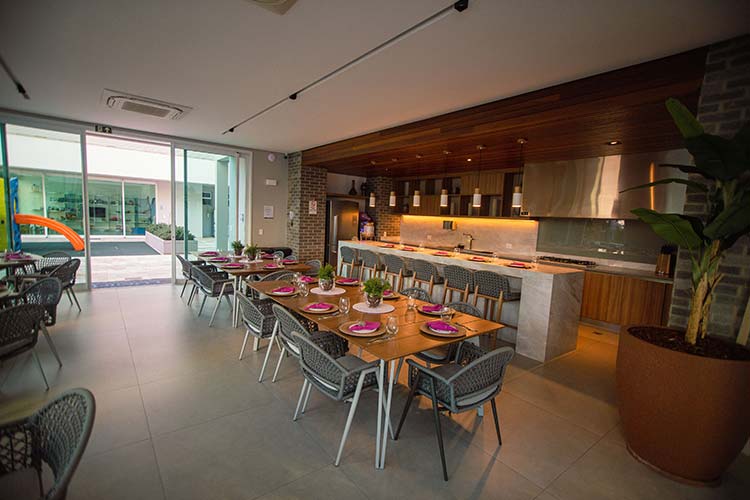
Why Cafeterias Need Synchronized Clocks
Dining facilities often have several activities taking place at the same time
- +Meal service
- +Customer arrival
- +Serving-line operation
- +Table turnover
- +Staff breaks
- +Area preparation
- +Cleaning between service periods
A synchronized clock provides a common visible time reference across these areas.
It can support
- +Meal-period awareness
- +Staff coordination
- +Consistent time visibility
- +Dining-area organization
- +Service preparation
The clock is intended to show the current time clearly. It does not replace food-service scheduling software, kitchen process timers or production controls.
Synchronized Clocks for Cafeteria Areas
Clock placement should reflect how people move through the dining space.
Dining Areas
The main dining area may contain many tables and several viewing directions.
Consider
- +Seating layout
- +Room size
- +Viewing distance
- +Columns and partitions
- +Lighting conditions
A clock should remain visible from the intended seating areas without dominating the room.
For larger dining halls, several well-positioned displays may provide better visibility than one clock installed at a distant wall.
Serving Lines
Serving areas often involve queues and staff working behind counters.
Clock placement should consider
- +Customer approach direction
- +Queue position
- +Serving-counter height
- +Menu boards
- +Food shields and overhead fixtures
The display should be distinguishable from menu prices, queue information and digital signage.
Where staff also need to read the clock, check visibility from behind the counter as well as from the customer side.
Staff and Service Areas
Food-service employees may need visible time in:
- +Preparation support areas
- +Staff rooms
- +Service corridors
- +Storage access areas
- +Supervisor stations
These spaces usually need a simple, easy-to-read display rather than a large public-facing clock.
Position the clock where employees can reference it during normal work without entering the public dining area.
Plan Around Meal-Service Flow
A cafeteria layout changes throughout the service period.
A clock that is visible before service begins may be hidden once a queue forms.
Review the proposed display from the locations where people actually stand and sit during busy periods.
Before selecting clock positions, consider what happens when
- +Queues become longer
- +Serving stations open or close
- +Tables fill
- +Temporary barriers are used
- +Cleaning equipment is moved through the space
Select a Display for the Dining Environment
Different cafeteria areas may require different clock styles.
Digital Displays
Digital clocks can provide a clear numerical reading for larger dining areas and serving zones.
Consider
- +Digit size
- +Viewing distance
- +Brightness
- +Time format
- +Mounting height
Analog Displays
Analog synchronized clocks may suit smaller dining rooms or areas where a traditional appearance fits the interior better.
Consider
- +Dial size
- +Hand contrast
- +Frame appearance
- +Viewing angle
The display style can vary between cafeteria areas while maintaining a consistent time reference.
Consider Cleaning Conditions
Cafeterias require regular cleaning, but the cleaning conditions in a dining or serving area are different from those inside a food-processing production line.
Ask for cleaning guidance applicable to the proposed clock materials.
Do not assume that a cafeteria clock is waterproof, washdown-rated or suitable for direct food-processing environments unless those properties are specifically documented for the selected model.
Before selecting a clock, review
- +Cleaning frequency
- +Cleaning products used near the clock
- +Splash exposure
- +Dust or grease conditions
- +Access required for wiping the enclosure
Keep Clock Placement Away from Service Obstructions
The clock should have a clear line of sight while remaining accessible for authorized maintenance.
For a wall-mounted display above a serving counter, consider how maintenance staff will reach it when equipment is in place.
Clock installation should not interfere with
- +Menu boards
- +Emergency signs
- +Ventilation equipment
- +Lighting fixtures
- +Serving equipment
- +Fire-safety equipment
Support Multiple Dining Periods
Some cafeterias serve different groups at different times of day.
Visible synchronized clocks help people reference the same current time during those transitions.
The clock should remain a time-of-day display. Any requirement for a countdown to the end of a meal period or automatic service notification should be specified separately.
Examples may include
- +School lunch periods
- +Employee meal shifts
- +Hospital staff dining periods
- +University dining schedules
- +Factory cafeteria service windows
Upgrade Existing Cafeteria Clock Installations
Existing cafeterias may already have clocks near entrances, serving lines or dining areas.
Before replacing them, review whether the existing positions still work with the current layout.
Identify which clocks can remain, which should be replaced and which new areas need a display.
For clocks you intend to retain, provide the existing equipment details where they need to remain part of the synchronized installation.
Changes such as
- +New serving counters
- +Additional menu screens
- +Different seating layouts
- +Expanded dining areas
- +Renovated wall finishes
can affect visibility.
Cafeteria Clock System Questions
Where should synchronized clocks be installed in a cafeteria?+
Common locations include dining areas, serving lines, staff spaces and entrances.
The best positions depend on seating layout, queue direction and viewing distance.
Can the same clock be seen by customers and serving staff?+
Sometimes.
Review the display from both sides of the serving counter. Equipment, menu boards or protective screens may block one of the views.
Where necessary, use separate displays rather than compromising visibility for both groups.
Are cafeteria clocks suitable for food-processing areas?+
Not automatically.
A cafeteria or dining-area clock and a clock installed inside a food-processing environment may face different cleaning, moisture and environmental requirements.
Any special enclosure or protection requirement should be verified for the exact product before installation.
Can the clock show a meal-service countdown?+
A synchronized clock normally provides the current time.
Countdowns and service timers are separate functions and should be specified independently if required.
Plan Your Cafeteria Clock Solution with HC Electronics
Include approximate viewing distances, cleaning conditions, available mounting locations and any clocks you want to retain.
We can review the requirements and discuss a synchronized clock configuration suited to your cafeteria, dining hall or institutional food-service area.
Send HC Electronics a simple cafeteria layout showing
- +Dining areas
- +Serving lines
- +Staff spaces
- +Entrances
- +Existing clock positions