
Railway & Metro Station Synchronized Clock System
Synchronized Time Displays for Platforms, Concourses and Station Facilities
Railway and metro stations depend on clear time visibility across passenger areas, platforms, corridors and staff spaces.
HC Electronics provides synchronized clock solutions for railway stations, metro stations and underground facilities, helping operators plan visible time displays around passenger flow, viewing direction, platform layout and existing station infrastructure.
A well-planned station clock system gives passengers and staff a consistent time reference throughout the facility without replacing train information, signaling or operational control systems.
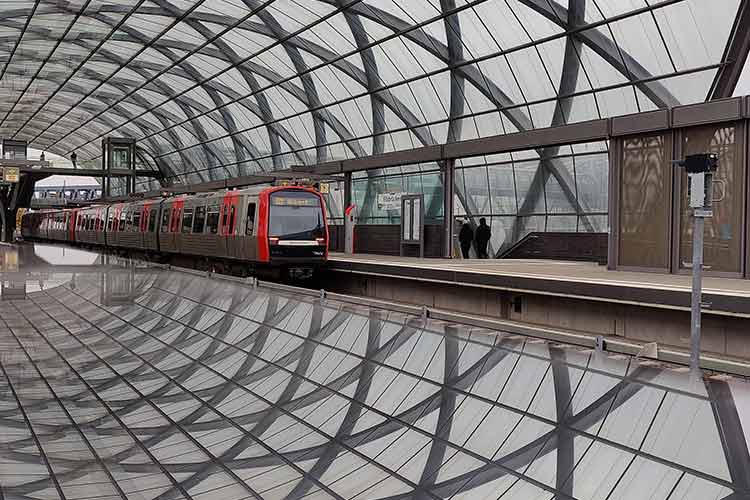
Why Railway and Metro Stations Need Synchronized Clocks
Stations include many areas where passengers and staff may need to see the current time:
- 01Ticket halls
- 02Station entrances
- 03Platforms
- 04Passenger concourses
- 05Transfer corridors
- 06Waiting areas
- 07Staff rooms
- 08Station offices
Passengers may move quickly between these areas, while station staff coordinate activities across separate parts of the building.
Synchronized clocks provide a consistent visible time reference that can support:
- 01Passenger time awareness
- 02Staff coordination
- 03Platform visibility
- 04Station organization
- 05Consistent time presentation across public spaces
The purpose is to show the current time clearly where people need it.
These clocks do not replace train schedules, signaling equipment, platform control systems or railway safety systems.
Synchronized Clocks for Station Areas
Different station zones require different approaches to display size and placement.
Platforms
Platforms often require clocks that can be seen from more than one direction.
When planning a platform clock, consider:
- Platform length
- Passenger movement
- Viewing distance
- Canopies and structural columns
- Train sightlines
- Signage
- Mounting height
A double-sided display may be useful where passengers approach from opposite directions.
The clock should remain visually separate from train destination signs, platform numbers and passenger information displays.
Ticket Halls and Concourses
Large station halls usually contain many competing visual elements.
Clock placement should consider:
- Ticket counters
- Ticket machines
- Directional signage
- Passenger information screens
- Escalators
- Entry and exit routes
A synchronized clock should be easy to identify without being confused with departure information.
For large concourses, several well-positioned displays may provide better visibility than one central clock.
Underground and Metro Areas
Underground stations have different installation conditions from above-ground railway facilities.
Typical considerations include:
- Limited external signal availability
- Enclosed spaces
- Tunnel and platform layouts
- Restricted mounting locations
- Maintenance access
- Existing station cabling
A clock installed below ground should be planned around the timing connection available within the station.
Do not assume that a satellite-based clock can receive GPS or GNSS signals directly at an underground display position.
Transfer Corridors
Interchange stations often include long corridors between platforms or transport lines.
Clock planning should consider:
- Passenger walking direction
- Corridor length
- Junctions
- Escalator exits
- Visibility around corners
Displays should help passengers reference the time without obstructing wayfinding signs.
Staff and Station Offices
Station employees may also need visible clocks in:
- Operations offices
- Staff rooms
- Customer service areas
- Maintenance spaces
- Administration rooms
These areas may use smaller displays than passenger spaces while still following the same approved time reference.
Plan for Two-Way Viewing
Railway environments often involve movement in opposite directions.
A clock may need to serve passengers:
- 01Entering and leaving a platform
- 02Walking toward different exits
- 03Approaching from opposite ends of a concourse
Where a single-face clock cannot serve both directions, consider a double-sided arrangement or separate synchronized displays.
The required viewing angles should be reviewed before the mounting position is finalized.
Keep the Clock Separate from Passenger Information Displays
Passengers may see several different types of time information in a station:
- 01Current time
- 02Train departure time
- 03Expected arrival time
- 04Service delay information
These should remain easy to distinguish.
A synchronized clock should clearly show the current time.
It should not be presented as a train schedule display unless that function is part of separate approved equipment.
Clear visual separation helps reduce confusion in busy passenger environments.
Review Display Size for Long Platforms
Railway and metro platforms can involve long viewing distances.
Clock selection should consider:
- 01Maximum intended reading distance
- 02Mounting height
- 03Digit size
- 04Viewing angle
- 05Lighting
- 06Background contrast
A display suitable for a station office may not be appropriate for a long platform.
Review the proposed clock from representative passenger positions before applying the same size across the station.
Consider Lighting Conditions
Station lighting can vary significantly.
Above-Ground Stations
- Strong daylight
- Open canopies
- Changing shadows
Underground Stations
- Artificial lighting
- Illuminated advertising
- Reflective surfaces
- Digital information screens
Clock visibility should be evaluated under the actual lighting conditions.
For digital displays, confirm whether brightness adjustment is available where required.
Work with Existing Station Infrastructure
Existing railway and metro stations may already have:
- 01Power circuits
- 02Communication cabling
- 03Network connections
- 04Legacy clock wiring
- 05Existing timing equipment
Before replacing clocks, review which infrastructure can be retained.
A suitable physical connection does not automatically guarantee compatibility with new equipment.
For existing systems, provide:
- 01Current clock model
- 02Connection information
- 03Power details
- 04Existing timing source
This helps determine whether replacement displays can use the existing installation or whether changes are required.
Plan Underground Timing Connections Carefully
Underground clock locations often cannot receive satellite signals directly.
Where GPS or GNSS is used as the facility reference, the receiving equipment may need to be installed in a suitable above-ground location, with time then distributed to clocks inside the station.
The clock project should clearly identify:
- 01Where the time reference is received
- 02How it reaches underground areas
- 03Which equipment remains accessible for maintenance
The display position and the time-reference receiving position do not need to be the same place.
Coordinate Installation with Station Operations
Railway stations may operate for long hours, making installation access an important part of the project.
Clock work may need to be coordinated around:
- 01Passenger operating hours
- 02Platform access restrictions
- 03Maintenance windows
- 04Electrical isolation
- 05Night work
- 06Safety procedures
Identify which areas can be worked on without affecting normal passenger movement.
For clocks installed above platforms or concourses, plan safe future maintenance access as well as initial installation.
Upgrade Existing Station Clocks in Phases
Large stations may be easier to upgrade by area.
A Phased Project May Separate
- Ticket hall clocks
- Platform displays
- Underground sections
- Staff areas
- Transfer corridors
Before Each Stage, Identify
- Clocks to retain
- Clocks to replace
- New locations
- Connections to reuse
- Installation windows
This allows the station to improve time visibility while keeping unaffected areas in service.
Railway and Metro Clock System Questions
Where should synchronized clocks be installed in railway stations?+
Common locations include platforms, concourses, ticket halls, transfer corridors, waiting areas and staff spaces.
The best positions depend on passenger movement and viewing distance.
Are double-sided clocks useful on platforms?+
They can be.
Where passengers approach from opposite directions, a double-sided display may improve visibility. The requirement should be reviewed against the platform layout.
Can GPS clocks work directly underground?+
Do not assume so.
Satellite reception is often unavailable or unreliable below ground. A station may instead use a time reference received elsewhere and distribute that time to underground clocks.
Are synchronized clocks part of railway signaling systems?+
No.
Facility clocks provide visible current time for passengers and staff. Railway signaling, train control and safety-related timing are separate systems.
Plan Your Railway or Metro Clock Solution with HC Electronics
Send HC Electronics a station layout showing:
- Platforms
- Ticket halls
- Concourses
- Transfer corridors
- Underground areas
- Staff spaces
- Existing clock locations
Include approximate viewing distances, mounting heights, available connections and any existing clock equipment you want to retain.
We can review the station conditions and discuss a synchronized clock configuration suited to railway and metro passenger areas.
Request a Railway & Metro Clock System Proposal