
PTP Server
Select a PTP server for the devices that depend on your network’s timing reference. HC Electronics offers PTP time server options for IEEE 1588 equipment, with configurations reviewed against your required profile, grandmaster role and PTP interfaces.
Whether you are introducing a dedicated time source or replacing an existing appliance, start with a server specification matched to your receiving equipment.
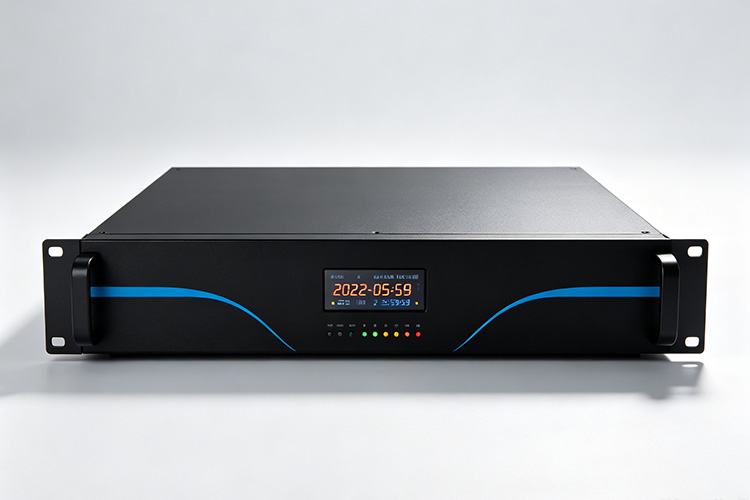
A Defined PTP Configuration for Your Purchase
A PTP server needs to provide the timing functions your devices accept. The product name alone does not establish which profiles, communication modes or clock roles are available.
For purchases requiring a PTP grandmaster, specify that the appliance must originate the timing reference for the intended domain. Include the receiving-device models and their PTP requirements so the proposed server can be assessed against an identifiable configuration.
HC Electronics can review your equipment documentation, existing settings or tender requirements to discuss a suitable hardware proposal.
Choose by Profile, Ports and Operating Role
Match the Required PTP Profile
Provide the exact profile and revision specified by your equipment. Where the device documentation lists individual settings instead, include those settings with your enquiry.
The proposal should identify the supported configuration for the offered firmware, including any options needed to enable the required PTP service.
Identify the PTP Output Interfaces
State the number of PTP connections required, their connector types and link speeds. Ask which physical ports provide PTP and which are intended for configuration access.
If hardware timestamping is mandatory, include it in the interface requirement and confirm its availability on each port that will deliver PTP.
Define the Grandmaster Role
Explain whether the server will be the only grandmaster candidate, the preferred source in an existing domain or a backup to another appliance.
For a replacement, provide the current grandmaster’s operating settings. For an additional source, identify the selection behavior required when both appliances are available.
PTP Server Configuration Requirements
Use the following details to define the equipment you need. Available functions are subject to confirmation for the selected model.
| Configuration Item | Requirement to Provide |
|---|---|
| IEEE 1588 implementation | Required PTP version, profile and profile revision. |
| Network transport | Ethernet Layer 2 or UDP/IP, including the required IP version where applicable. |
| Message delivery | Multicast, unicast or the arrangement required by the selected profile. |
| Delay mechanism | End-to-end or peer-to-peer operation. |
| Timestamp mode | One-step or two-step compatibility requirements. |
| PTP domain | Required domain number and any restrictions imposed by the profile. |
| Message intervals | Required Sync, Announce and delay-message settings. |
| PTP ports | Port quantity, connection type, link speed and timestamping requirements. |
| Simultaneous operation | Any profiles, domains or port configurations that must operate together. |
For a multi-port purchase, describe the requirement for each connection separately. Have any limits on independent port settings or simultaneous services identified before approval.
Adding or Replacing a PTP Grandmaster
New PTP Installation
Send the documentation for a representative receiving device and the intended network path. Include the switch models and any boundary or transparent clocks involved.
This provides a basis for assessing protocol compatibility before selecting the appliance.
Existing Grandmaster Replacement
Share the current server model, active profile, domain and message settings. Identify which settings must remain unchanged to minimize adjustments at the receiving devices.
A configuration export or screenshots of the existing PTP settings can help make the replacement requirements clear.
Additional Grandmaster
Specify when the new appliance should become the selected source and what should happen when the preferred source returns.
Request confirmation of the available priority controls and the clock-quality information used in the proposed operating arrangement.
Evaluate the Server with Representative Equipment
Before approving a configuration, define what successful operation looks like at a receiving device.
An equipment evaluation may include:
- Recognition of the server in the intended PTP domain.
- Selection of the expected grandmaster.
- Operation with the required profile and message settings.
- Measured time offset under the agreed test conditions.
- Expected source selection when another grandmaster becomes available or unavailable.
Record the hardware, firmware, receiver settings and network path used for the evaluation. Request performance results for that configuration, including the measurement point and whether the stated error is a maximum or a statistical value.
PTP Server Purchasing Questions
Can the server work with devices from different manufacturers?
Compatibility depends on their PTP implementations and supported settings. Provide the model and firmware details for each device type, then evaluate the proposed server with representative equipment.
Can one appliance provide different PTP profiles simultaneously?
This depends on the model’s supported instances and port configuration. List the required combinations explicitly so simultaneous operation can be confirmed in the proposal.
What if I do not know the required PTP profile?
Send the receiving device’s manual, specification or PTP configuration screenshots. Include any existing server settings. These documents can help identify the requirements that need confirmation.
Request Your PTP Server Configuration
Contact HC Electronics with your device list and PTP requirements. Include the appliance quantity, required profile, PTP port arrangement and intended grandmaster role.
We will review the enquiry and discuss the proposed hardware, supported PTP configuration and items to include in the quotation.