PoE Clock Technology
Power over Ethernet, or PoE, delivers electrical power through Ethernet cabling to a compatible device. In a PoE clock, the connection supports both the power needed to operate the electronics and the data communication used by the clock.
PoE defines power delivery. The time-synchronization protocol operates separately over the network connection. See how NTP time synchronization operates over that connection.
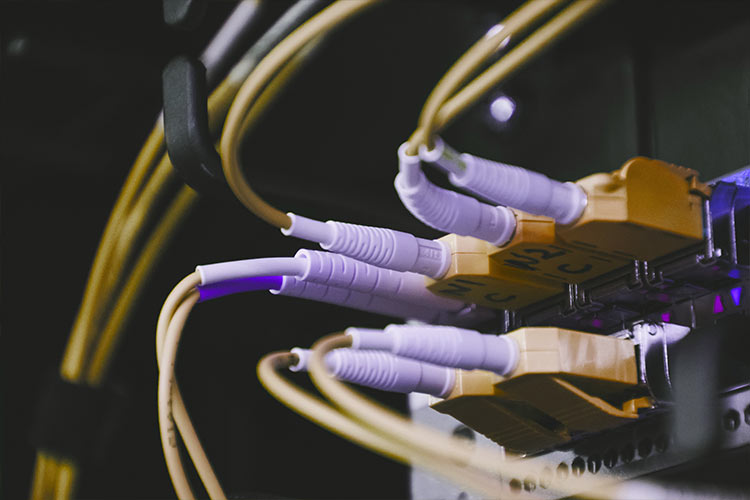
The Two Sides of a PoE Connection
A standards-based IEEE 802.3 PoE connection has two principal roles.
The PSE may be built into an Ethernet switch or provided by a separate injector. The clock operates as the PD.
Inside the clock, the PoE power interface and network interface perform different functions even though they connect through the same cable.
| Role | Function |
|---|---|
| Power Sourcing Equipment, or PSE | Supplies power through the Ethernet connection |
| Powered Device, or PD | Receives power and converts it for internal use |
What Happens Before Power Is Applied
A standards-based PSE does not simply apply full operating power to every connected device.
It first performs detection, looking for an electrical signature that identifies a compatible PD. This allows the source to distinguish a supported powered device from an ordinary Ethernet connection.
Detection establishes that the connected equipment presents the expected PoE characteristics. It does not establish whether the device has obtained an IP address or synchronized its clock.
How Power Classification Works
Power classification communicates the device’s power requirements within the supported PoE scheme.
Depending on the implementation, classification and additional negotiation determine the power allocation available to the device. The clock then operates within that allocation.
The source’s output power and the power reaching the clock are different quantities because the cable introduces electrical losses. Internal power conversion introduces further losses before energy reaches the display and control circuits.
How Power and Ethernet Data Share a Cable
Ethernet data uses differential signaling. PoE introduces DC power through arrangements designed to coexist with that signaling.
With power delivered over data-carrying pairs, transformer center taps allow the power interface to access the DC component while the Ethernet interface handles the data signal. Other arrangements use different pairsets, and some PoE implementations deliver power over all four pairs.
Within the clock, a DC-to-DC converter produces the supply voltages required by the processor, network electronics and display.
One compatible Ethernet connection can carry both power and network data for a PoE clock. Confirm the clock’s power requirements, the power source’s available budget and the supported timing protocol separately. An Ethernet connector alone does not establish PoE compatibility. See the synchronized clock FAQs for wider installation questions.
Power Startup and Time Acquisition
A PoE clock typically passes through several distinct stages:
These stages explain why an illuminated display does not necessarily indicate completed synchronization.
What Happens When Power or Data Is Lost
Loss of network communication and loss of PoE power are different events.
Timing communication interrupted
If power remains available while timing communication is interrupted, the clock may continue running from its local oscillator.
Operating power removed
If operating power is removed, continued operation requires a separate energy source or backup arrangement.
Restoring electrical power starts the device again; restoring valid time requires the timing software to complete its own acquisition process.
Talk to HC Electronics About PoE Clocks
Send your project requirements for PoE clocks, network time servers or synchronized clock systems, and our engineering team will reply with a suitable solution. Learn more about HC Electronics or visit our contact page. For a multi-clock installation, review how to plan a PoE clock system.
Contact us via WhatsApp

Scan the QR code to chat with HC Electronics on WhatsApp.